Subterranean termites nest in the soil and reach wood through mud tubes. In San Jose they are usually treated with a liquid termiticide applied to the soil or with monitored bait stations, chosen after a licensed Branch 3 inspection.
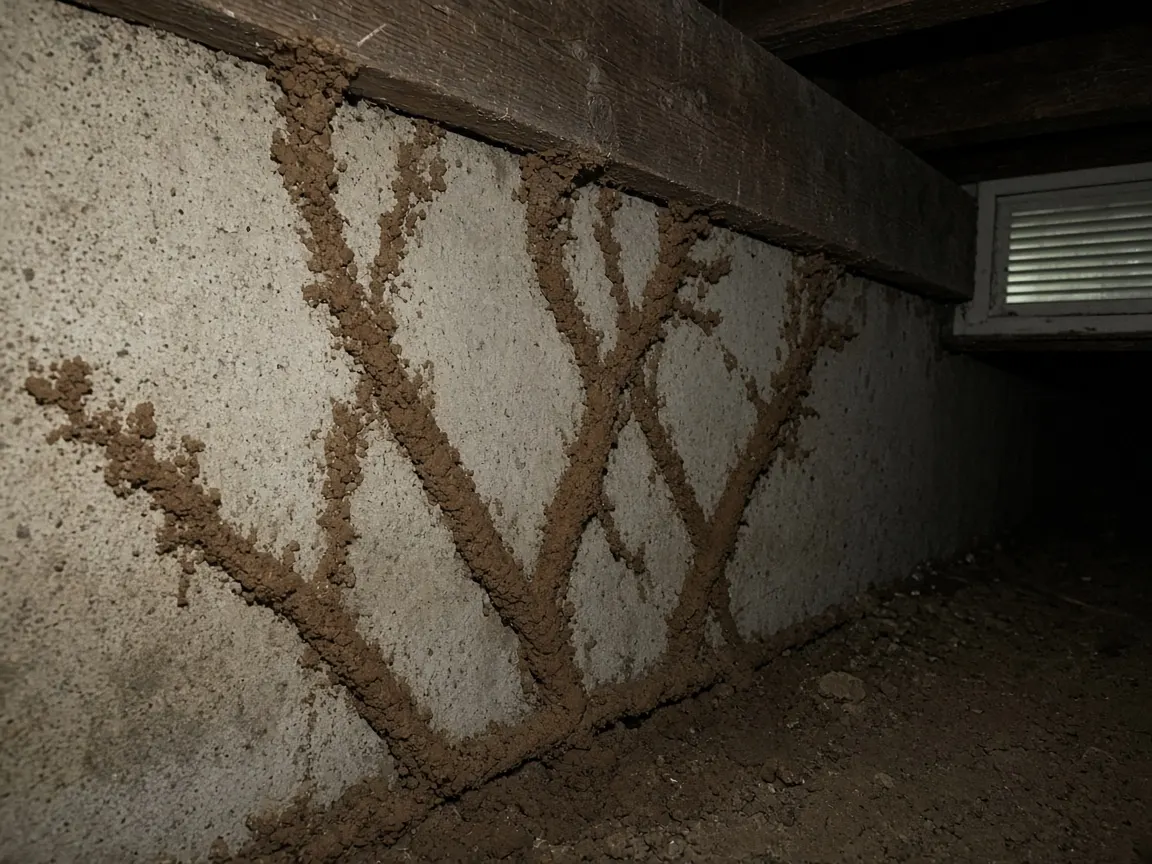
Subterranean termites of the genus Reticulitermes occur in nearly every region of California, and UC Statewide IPM describes them as the most destructive termites in the state. The western subterranean termite, Reticulitermes hesperus, is the species usually discussed for Northern California.
These termites nest in the soil and travel to wood through earthen mud tubes, which are often the first visible sign along foundations, piers or crawl-space walls. Swarms of winged reproductives commonly appear after rains. Damaged wood may look layered or packed with soil, quite different from the clean galleries of drywood termites.
UC IPM describes two main treatment approaches: liquid termiticides applied to the soil around and under the structure to create a treated zone, and baiting systems that are placed in the ground and monitored over time. Companies in the San Jose area offer both, including liquid soil treatments and bait systems such as Sentricon. Baits usually involve ongoing monitoring, which affects long-term cost.
Fumigation (tenting) is not used for subterranean termites, so the right plan depends on correctly identifying the species first. Request an inspection through this site and you will be matched with a licensed local termite company (SPCB Branch 3) that can identify the termites, explain the options and give you a written proposal.
What it costs
Prices are not published on this site. Cost depends on the factors in our termite treatment cost guide; a licensed company gives you a free written estimate after inspecting.
How the process works
Send your request
Fill in the form with your address, what you have noticed and what you need (for example a WDO report for a sale). It is a free estimate request.
Branch 3 inspection
A licensed local termite company contacts you to schedule an inspection by a Branch 3 licensed field representative or operator. Under BPC 8516, your written WDO report must arrive within 10 business days of the inspection and before any work begins.
Written proposal
The company explains the Section 1 and Section 2 findings and gives you a written proposal and estimate. You can verify its license at pestboard.ca.gov/license and compare before deciding.
Treatment and repairs
If you go ahead, the licensed company carries out the agreed work: local treatment, soil treatment or baits, or fumigation by a Branch 1 licensee, plus any wood repairs.
Follow-up
Ask the company about any follow-up inspection, bait monitoring or completion documentation. Warranty terms vary by company, so get them in writing.
Related services
Request a Free Estimate
Please note: This website is an independent referral service. It does not perform pest control, inspections, fumigation or repairs. All work is performed by independent companies licensed by the California Structural Pest Control Board (SPCB). Verify any company's license at pestboard.ca.gov/license.